
SUMMARY
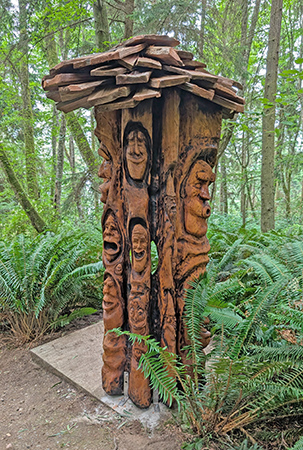
Famed local Whidbey Island wood artist Steve Backus created “Bernie’s Throne” at the request of Martin Schneider as a memorial to Martin’s father Bernard that would be shared with the community. Bernard enjoyed collecting masks from around the world, so Steve brought their vision to life by creating a whimsical and interactive sculpture based on fantastical faces and historic cultural tribal masks from around the world. The sculptural chair is made from a western red cedar buttress tree, carved with 17 different tools and intentionally surface-burned for preservation and coloration.
BERNIE’S THRONE
STEVE BACKUS
BERNARD and MARTIN SCHNEIDER
ABOUT THE SCULPTURE
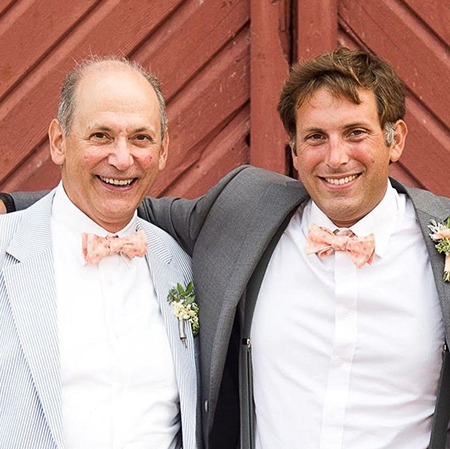
The idea for the creation of this chair started with Martin Schneider, who very much enjoyed visiting the Sculpture Forest every year. He became inspired by his local father-in-law David Young to commission a work in Martin’s father Bernard’s memory. Bernard enjoyed and collected masks from around the world. A concept started to form of bringing together this personal interest with a creation that would be both whimsical and interactive. David had previously collaborated with wood artist Steve Backus, so they all worked together to bring this new vision to life for the community to enjoy.
This chair is carved from a western red cedar buttress tree that was cut on South Whidbey Island. At least 17 different tools (mostly custom modified chainsaws) were used in this carving. Fire was used at the base to preserve the wood and a propane torch was used for all of the coloring. The roof is hand-split 2 inch cedar shakes, which were also used in the 1800s to provide a very long-lasting roof. The various faces and figures represent a variety of whimsical creatures, many of which are inspired by historic cultural tribal masks from around the world.
ABOUT THE SCULPTOR
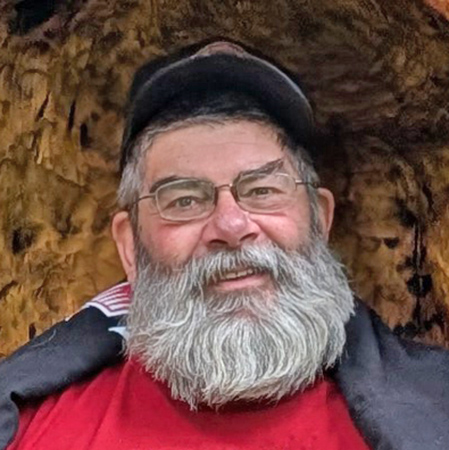
Steve currently lives on south Whidbey Island in Clinton at a century old sawmill where he cuts wood and creates art. He grew up in Humptulips on the Olympic Peninsula, born to a logging family and part of the “tramp logging” community. With the national effort of protecting the remaining old growth forest and the spotted owl in the 1970s, logging in the Olympic National Forest lands became severely restricted. Steve needed to find another way to make a living. His mother had become a chainsaw artist in the 1960s when it was an even more unusual and unknown trade. Steve decided to follow in her footsteps and he has since become a self taught, internationally renowned folk artist. Sometimes, Steve would exchange carvings for things he needed in life. He grew surrounded by independent and self-motivated people within his family and the broader timber culture of the Pacific Northwest. His sister also became a chainsaw artist, and his well known uncle Pat McVay is featured elsewhere here in the Sculpture Forest.
He has organized and judged chainsaw art competitions around this country and in Germany, where this art form actually originated. Steve has some other unusual claims to fame, including being featured in a 2008 Pemco Insurance TV commercial campaign with the tagline “We’re a lot like you, a little different.” He was featured in the 2017 short film “Last Refuge of the Troublemaker.” And he is author of the book “You’ve Got To Be Sh**ting Me: Tramp Logging, and Tall, True Tales.”

